
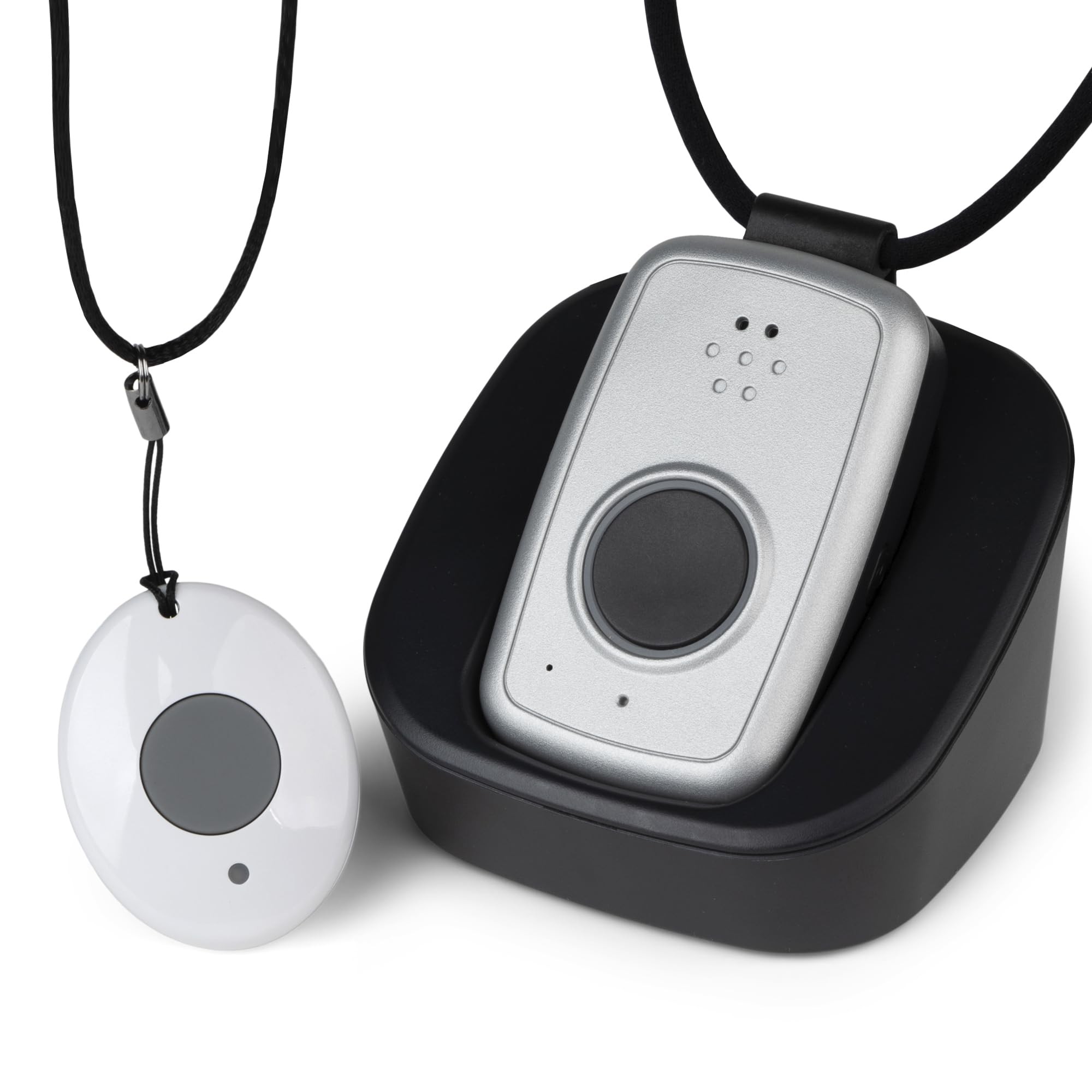
Smartphones vs. mPERS Devices: Why Dedicated Safety Still Matters
The Smartphone Question
With smartphones everywhere, a common question is: "Why not just use a phone?" While smartphones are powerful tools, they have significant limitations as personal safety devices for seniors.
Why Smartphones Fall Short
Complexity
Smartphones require navigating apps, unlocking screens, and finding the right button in an emergency. For seniors with vision, dexterity, or cognitive challenges, this complexity can be dangerous when every second counts.
Battery Life
Smartphones typically last a day or two between charges. The Belle X2 offers up to 45 days — meaning it's always ready when needed.
Size & Wearability
Smartphones are bulky and often left on a table or in another room. The Belle X2 is small, lightweight, and designed to be worn at all times — even in the shower (IP67 water-resistant).
Fall Detection
While some phones offer fall detection, dedicated mPERS devices like the Belle X2 use proprietary algorithms specifically tuned for senior fall patterns, with significantly fewer false alarms.
Connectivity
Smartphones rely on the user to make a call. The Belle X2 has a dedicated SOS button and automatic fall detection that connect directly to 24/7 monitoring centers — no screens to navigate, no apps to open.
What mPERS Devices Do Better
- One-Touch SOS — A single button press connects to help
- Automatic Fall Detection — No user action required
- Professional Monitoring — Trained operators, not just 911
- Location Precision — GPS + WiFi + cellular + homing technology
- Extended Battery — Up to 45 days vs. 1-2 days
- Water Resistance — Worn in the shower where many falls occur
- Caregiver Integration — Professional app with activity monitoring
The Right Tool for the Job
Smartphones are great for communication and entertainment. But when it comes to personal safety — especially for seniors — a purpose-built mPERS device like the Belle X2 provides reliability, simplicity, and protection that a smartphone simply cannot match.